

AddictionResource fact-checks all the information before publishing and uses only credible and trusted sources when citing any medical data. The Verified badge on our articles is a trusted sign of the most https://ecosoberhouse.com/ comprehensive scientifically-based medical content. Alcohol withdrawal usually begins within 6 to 12 hours after the person had the last drink. Mild symptoms may last for a few days, while moderate to severe symptoms get better within 72 hours. During the initial 1 to 3 days, symptoms intensify and reach their peak in 24 to 72 hours. After this, most physical symptoms gradually get better and within a week, acute withdrawal resolves.
The Hidden Danger of Opioid Withdrawal: Seizures and Why Medically Supervised Opioid Detox Is Critical
Analyzing these risks underscores why professional evaluation is non-negotiable when alcohol and accidents intersect. Metabolic imbalances, such as low drug addiction blood sugar or electrolyte disturbances, interfere with the brain’s normal function. These changes can provoke abnormal electrical activity, causing seizures in affected individuals. Alcohol withdrawal is particularly notorious for inducing generalized tonic-clonic seizures within hours after cessation in dependent individuals. Chronic alcohol use also damages neurons increasing vulnerability over time. Seizures happen when there’s a sudden surge of electrical activity in the brain that temporarily alters how it functions.
Inpatient Treatment
- About 1 in 10 heavy drinkers who quit cold turkey end up convulsing on the floor.
- Inpatient and residential treatment can provide additional medical monitoring to ensure your safety and sobriety.
Our strong peer staff and emphasis on community support help clients become healthy members of their communities. Severe withdrawal complications require immediate medical attention. Delirium tremens affects roughly 5% of people going through alcohol withdrawal and can include hallucinations, confusion, high fever, and seizures. This condition can be life-threatening without proper medical intervention. When a person abstains from alcohol use and manages withdrawal symptoms successfully, they just begin the journey towards long-term recovery. Life after alcohol withdrawal is all about maintaining a healthy does alcohol cause seizures lifestyle that promotes good physical health and mental well-being.
Alcohol Withdrawal Medication
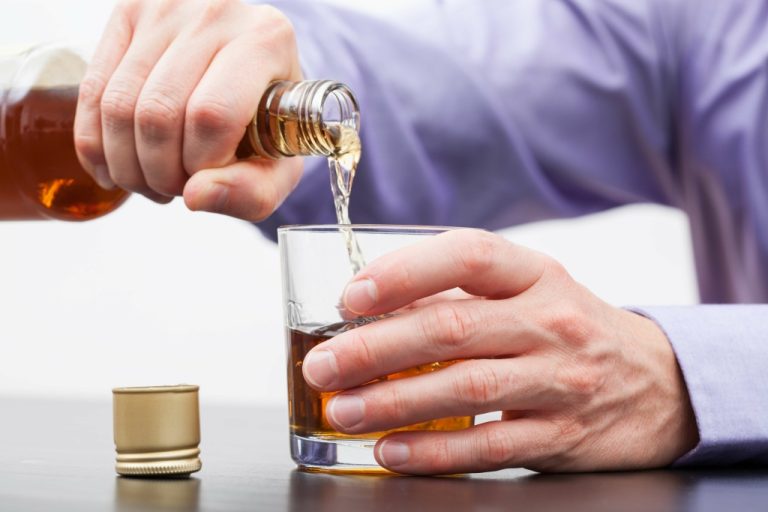
According to the American Psychological Association, 40% of employed adults with severe AUD face job-related problems. This neglect isn’t about laziness—it’s about alcohol hijacking priorities. If you see someone’s life unraveling due to drinking, it’s a clear indicator that their addiction has reached a critical stage. In essence, therapy and counseling are not optional luxuries but critical components of alcohol withdrawal treatment. By targeting the psychological drivers of addiction, they lay the foundation for lasting sobriety, one session at a time.
